
New Year, New Nervous System
Why regulated movement matters more than a “new body”
Every January brings pressure to change your body. New routines, harder workouts, bigger goals. But what if the most important reset this year has nothing to do with pushing harder and everything to do with helping your nervous system feel calm, supported, and organized?
This year, we are shifting the focus from “new body” to regulated movement.
Why calm, organized movement sets the tone for the year
When movement is rushed, aggressive, or disconnected, the body stays in a stress response. Muscles tighten unnecessarily, breathing becomes shallow, and recovery slows down. Over time, this can lead to fatigue, discomfort, or injury.
Calm, intentional movement sends a different message. It signals safety to the brain. When the nervous system feels supported, the body moves more efficiently, coordination improves, and strength develops in a sustainable way. This creates a foundation that supports you not just in January, but throughout the year.
Understanding the parasympathetic nervous system
The parasympathetic nervous system is often called the “rest and digest” system. It is responsible for rest, recovery, and regulation.
When this system is active, your body can:
Slow the heart rate
Deepen and calm the breath
Improve digestion and nutrient absorption
Reduce muscle tension
Support healing and tissue repair
Improve focus and emotional regulation
In this state, the body feels safe enough to relax, restore, and adapt.
Your autonomic nervous system has two main branches. The sympathetic system manages “fight or flight,” stress, urgency, and high alert. The parasympathetic system supports calm, balance, and recovery. Both are necessary, but many people spend too much time in a sympathetic state due to stress, fast-paced movement, poor sleep, or over-training.
Why this matters for movement
When the parasympathetic system is engaged, movement becomes more efficient. Muscles work together instead of competing. Balance and coordination improve. Pain sensitivity often decreases, and the body learns new movement patterns more easily.
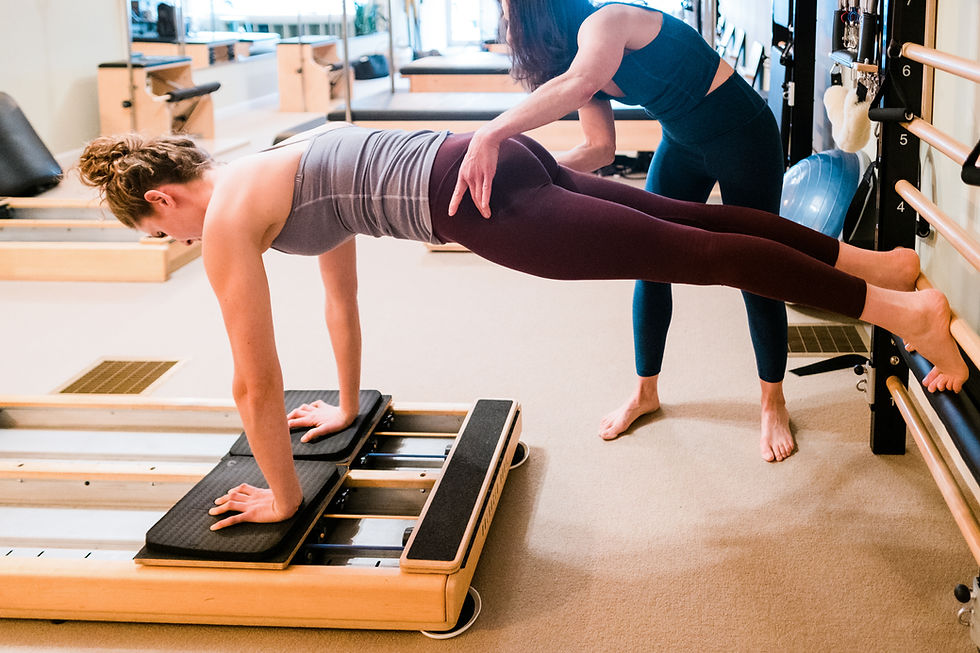
This is why slower, intentional practices like Pilates and CoreAlign can feel calming even when they are physically challenging.
How Pilates and CoreAlign support nervous system balance
Pilates and CoreAlign are designed around breath, control, and awareness.
Breath-led movement stimulates the vagus nerve, a key pathway of the parasympathetic nervous system. Predictable, controlled exercises signal safety to the brain. Improved body awareness reduces unnecessary tension and over holding.
Rather than overwhelming the system, these practices help the body organize itself better.
Small daily practices to feel grounded in January
Supporting your nervous system does not require doing more. Small, consistent practices make a difference.
Slow down transitions between movements. Pay attention to your exhale. Notice where you are holding tension and allow it to soften. Focus on quality instead of intensity.
These simple shifts help your body reset day by day.
A different way to start the year
The parasympathetic system is your body’s reset button. It is where healing, learning, and sustainable strength happen.
This year, progress does not have to feel stressful. It can feel steady, supported, and empowering.


Comments